

Reach for these Italian Seasoning Substitutes when you are out of the jarred version and unable to run to the store. These alternatives can’t be beat when you don’t want to stop making a recipe but you are missing one small ingredient.

Italian seasoning is a prepared blend of ground herbs that often make an appearance in Italian recipes. It usually consists of a spice blend combination of thyme, rosemary, basil, oregano, and garlic powder, but some brands include other herbs like sage, coriander, and dried marjoram.
Italian seasoning is a welcome addition in an array of pasta and pizza recipes, but what if you don’t have it on hand?
In this article, we’ll show you some of the best Italian seasoning substitutes that work almost as well as the real deal whether you are making a big batch of homemade Spaghetti Sauce, Fettuccine Bolognese, Spanish Rice or Stuffed Peppers. We love to use it on chicken, meatballs, soups, homemade pasta sauces, salad dressings and homemade pizza.

🍳 Overview of Replacements
| Substitute Ingredient | Recommended Ratio |
|---|---|
| Homemade Italian Seasoning | 1:1 |
| Dried Basil and Oregano | 1:1 |
| Herbs de Provence | 1:1 |
| Herbes de la Garrigue | 1:1 |
| Greek Seasoning | 1:1 |
| Pizza Seasoning | 1:1 |
| Mediterranean Seasoning | 1:1 |
| Salamoia Bolognese | 1:1 |
| Za’atar | 1:1 |
| Fresh Herbs | 1.5: 1 |
🍴Top Italian Seasoning Substitutes
Here are some of the best Italian seasoning substitutes you can use if you don’t have the store-bought kind available:
Dried Basil and Oregano

Basil and oregano are the most dominant flavors in Italian cuisine, making them a superb substitute.
For every tablespoon of Italian seasoning required, use half a tablespoon of dried basil and half a tablespoon of dried oregano.
Herbs de Provence
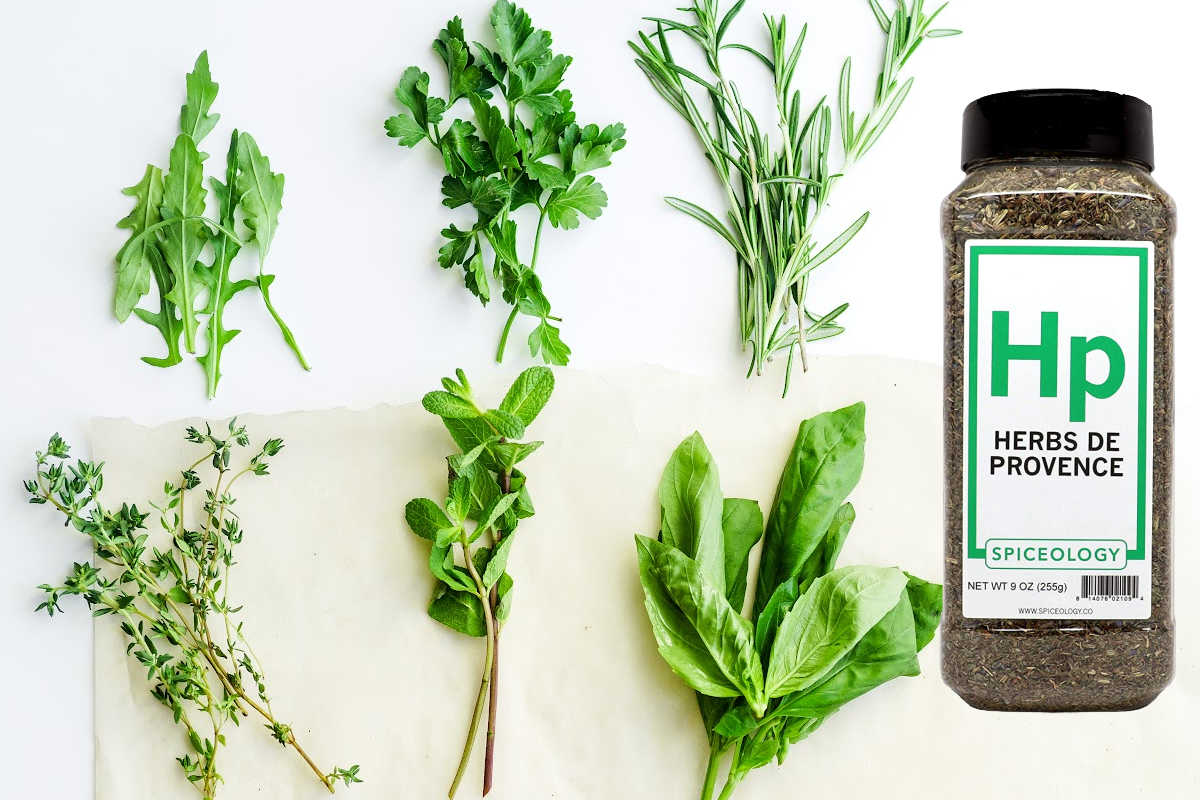
Herbs de Provence is a traditional herb mixture that hails from France’s Provence regions. It’s a pre-blended combination of oregano, rosemary, thyme, marjoram, and savory—all of which appear in Italian seasoning!
If your local store doesn’t have Italian seasoning in stock, grab a bottle of Herbs de Provence. Just make sure to check the ingredients list and add anything that might not be included in traditional Italian seasoning, like basil. You might also want to add a teaspoon or two of oregano, as Herbs de Provence leans more heavily with thyme and rosemary.
It’s important to note that this includes a few other herbs that don’t usually appear in Italian seasonings, such as lavender flowers, summer savory, and fennel seeds.
If added in moderation, it won’t compromise the taste of the dish too much. The lavender and flowery notes might be too aromatic and sweet for some dishes, but they add a wonderfully bright note when used in a meat or fish rub.
Use a 1:1 ratio to substitute Herbs de Provence with Italian seasoning.
Herbes de la Garrigue

Herbes de la Garrigue is a welcome addition to Italian-based bread, grilled meats, stews, and sausage recipes.
It’s much like Herbes de Provence, except with hearty additions of rosemary, mint, Turkish bay leaf, and fennel. The mint and bay leaf powder add a sprightly, fresh coolness to a recipe, which brightens the overall flavor of the dish.
Add Herbes de la Garrigue in half teaspoon increments to your dish until you reach the desired taste. In most cases, a 1:1 ratio works wonderfully.
Greek Seasoning
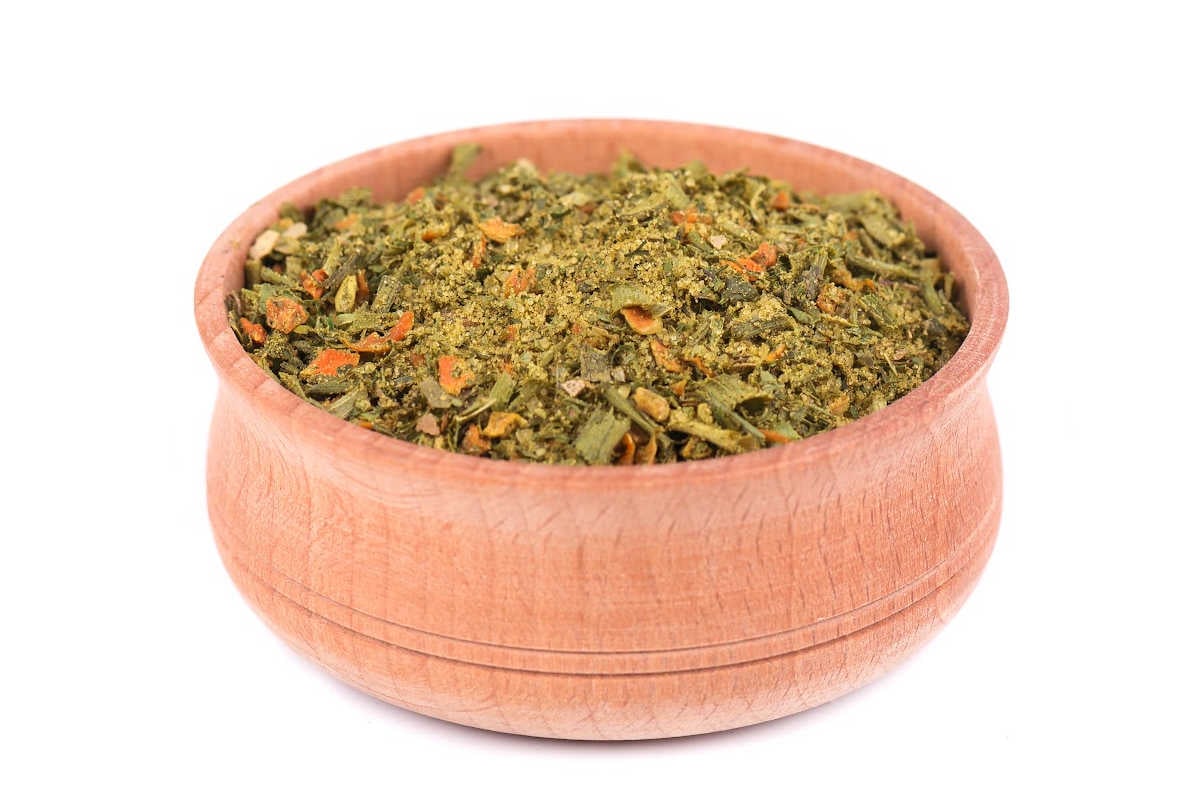
Greek seasoning is a blend of oregano, basil, rosemary, thyme, parsley, and other Mediterranean herbs such as nutmeg, cinnamon, lemon peel, and marjoram. This makes it a good substitute for Italian seasoning as they share the majority of ingredients.
My absolute favorite variety is Greek Freak from Spiceology. I use it on tons of my grilled recipes!
Use a 1:1 ratio. Taste it first to make sure the lemon peel, nutmeg, and cinnamon don’t overpower the taste of the recipe.
Pizza Seasoning
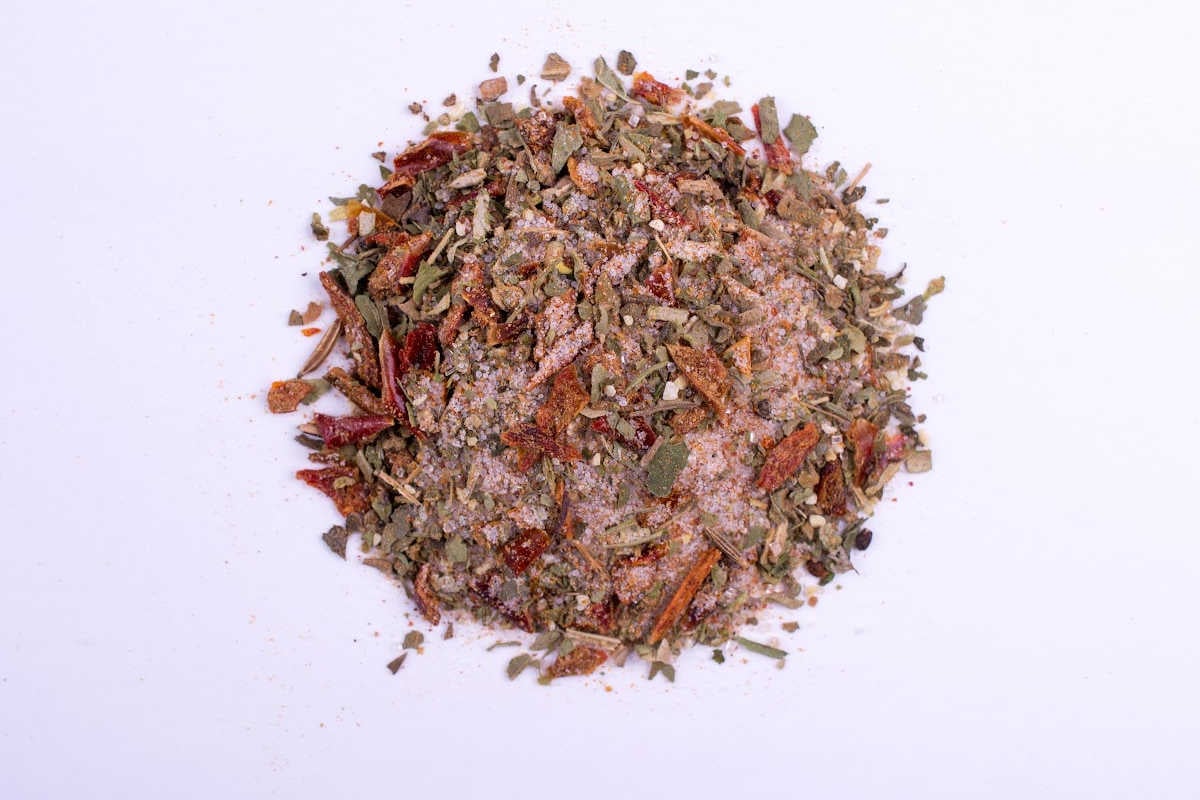
If you’re a pizza lover, you surely have a container of pizza seasoning on hand or you know how to quickly make your own.
Pizza seasoning is made with similar ingredients found in Italian seasoning, with the extra additions of onion, garlic, fennel, paprika, and black pepper. Some combinations also have red pepper flakes.
Add pizza seasoning with half-teaspoon increments until you achieve the flavor you like. Usually, though, a 1:1 ratio works in most dishes.
We love to use a little Italian Seasoning or Pizza Seasoning on the Keto Pizza Rolls or Portobello Mushroom Pizza.
Mediterranean Seasoning
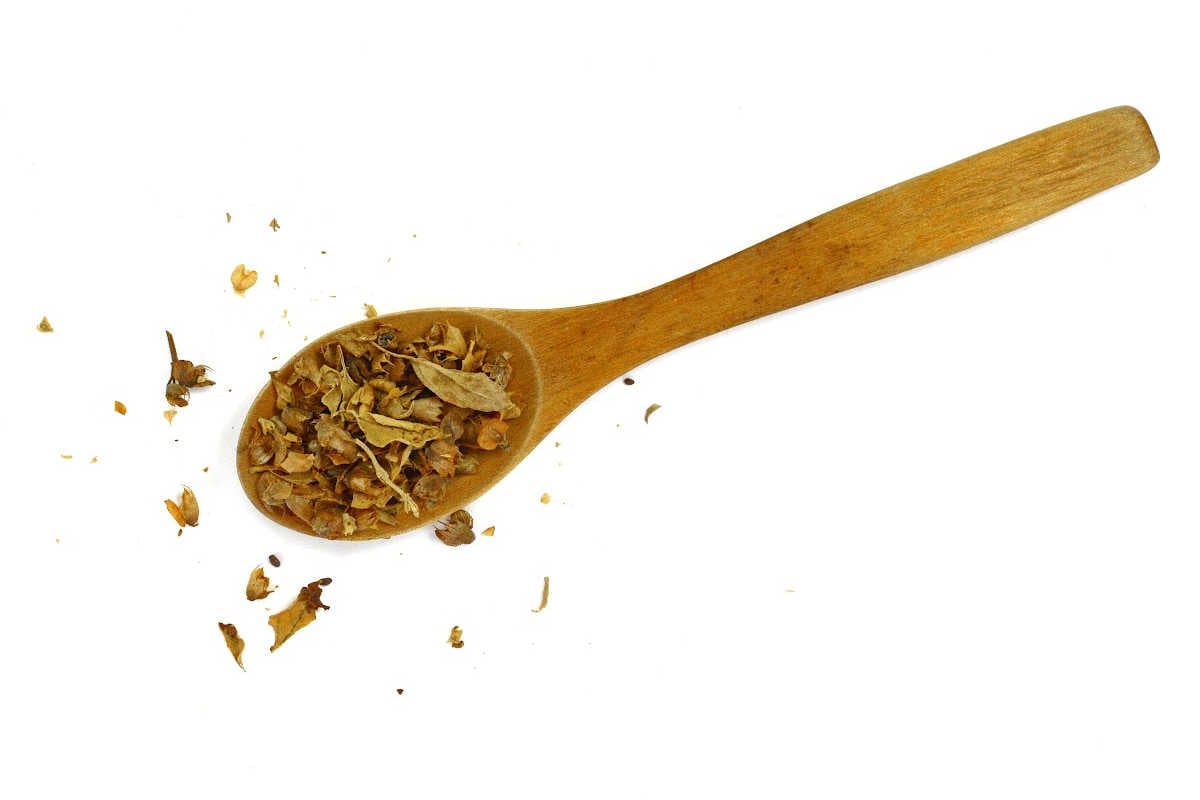
Mediterranean seasoning is much like Italian seasoning but with a few additions: lavender, paprika, saffron, sumac, turmeric, tarragon, cumin, and several others. We love to sprinkle this on our Mediterranean Roasted Vegetables.
It works well as an Italian seasoning substitute, but it may slightly alter the flavor of your dish. The difference shouldn’t be too noticeable, but it’ll certainly add a hint of spice and boldness to your recipe.
For every teaspoon of Italian seasoning required, substitute it with about same amount of Mediterranean seasoning. You can also add a bit more oregano and basil to the dish to amplify the taste.
Salamoia Bolognese
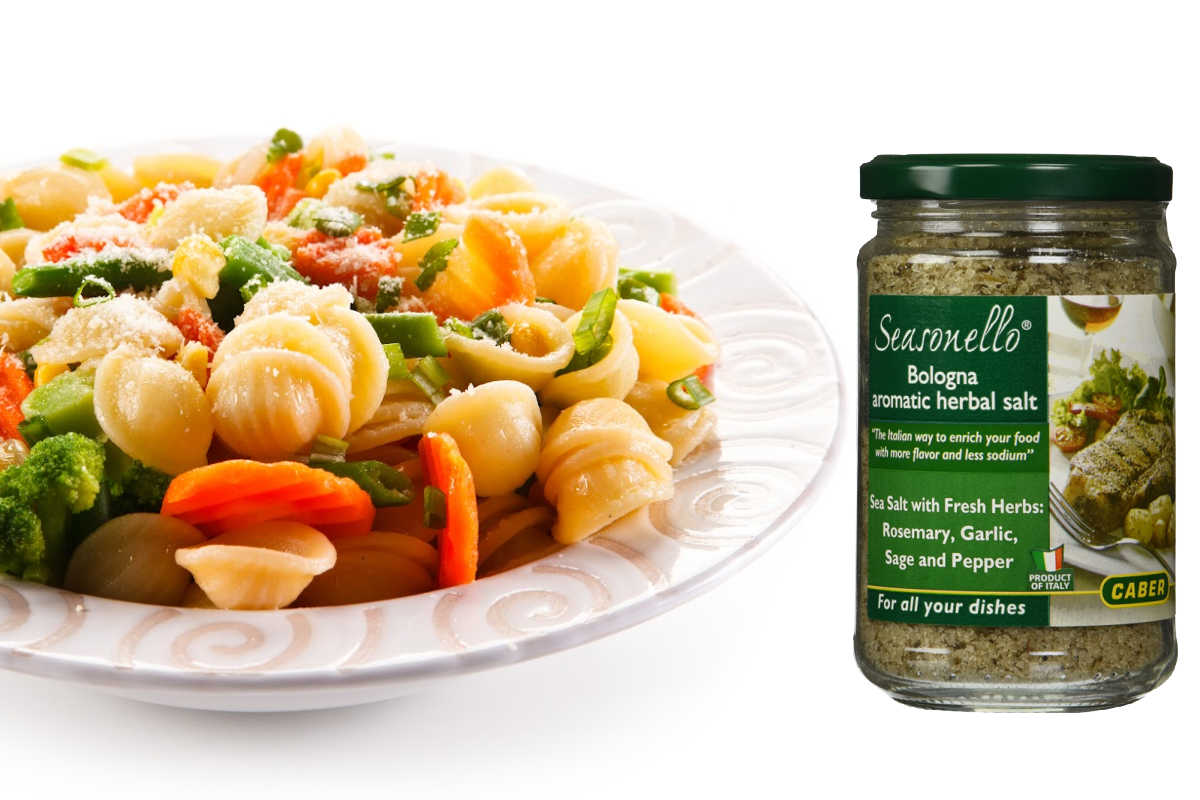
Salamoia Bolognese is the “original” Italian seasoning, so it’s as close to an Italian seasoning as you can get. It consists of everything you’ll find in Italian seasoning, with the addition of garlic, black pepper, and salt.
So, if your store doesn’t sell Italian seasoning, Salamoia Bolognese is your next best bet. Definitely adjust the recipe if it calls for the addition of salt, as this already includes it.
Use a 1:1 ratio to substitute Italian Seasoning with Salamoia Bolognese.
Za’atar Seasoning

Za’atar is a Middle Eastern spice mixture that consists of savory dried herbs such as thyme, oregano, and marjoram, as well as earthy spices like cumin, sumac, coriander, and sesame seeds.
Unlike Italian seasoning, za’atar adds citrus undertones and a hint of nuttiness to a dish, which may change the original flavor of the recipe. However, this shouldn’t stop it from being an effective Italian seasoning alternative, especially if used incrementally. It can actually add a welcome depth of flavor to a dish!
To substitute za’atar with Italian seasoning, use a 1:1 ratio but make sure to taste beforehand as it sometimes contains salt. We love to use this on our Smoked Butternut Squash.
Fresh Herbs
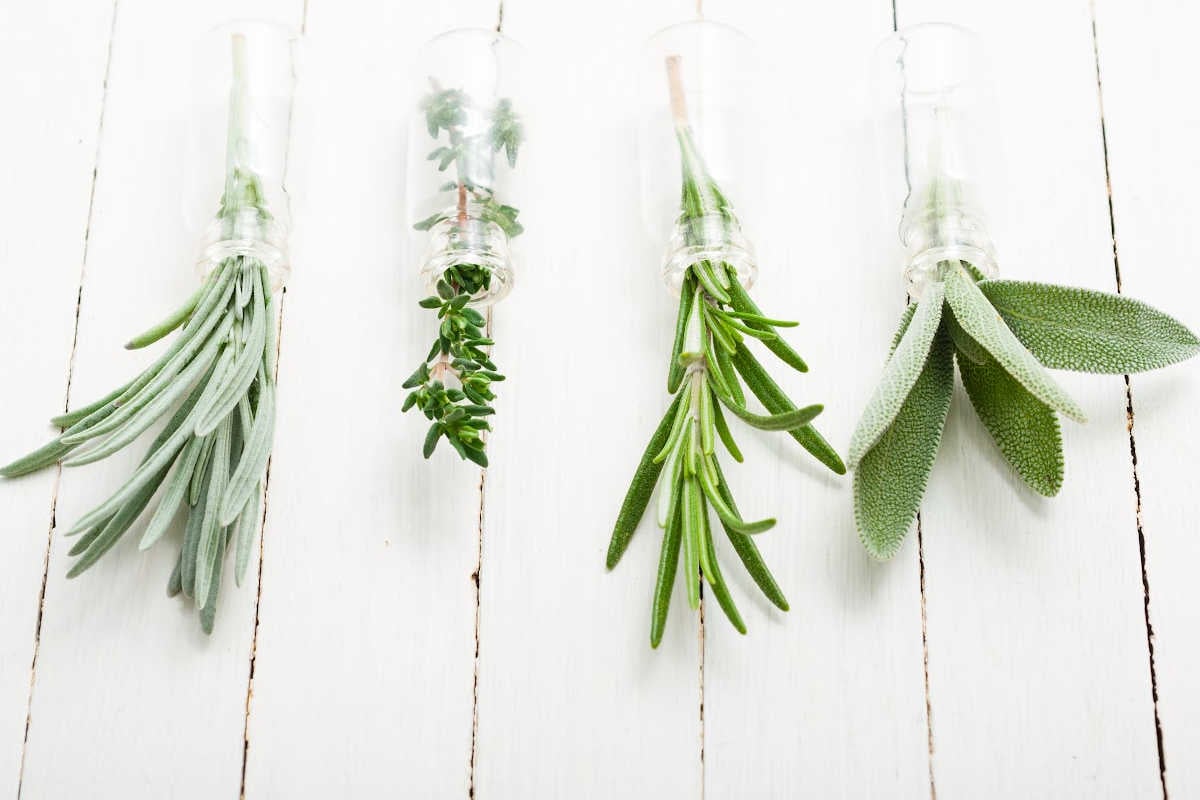
Italian seasoning is quite literally just a mix of dried herbs. So, what better way to substitute dried herbs than their fresh counterparts?
Keep in mind that dried herbs have a more concentrated flavor than fresh herbs, so you might have to use a bit more than the recipe requires.
The best fresh herbs to replace Italian seasoning are basil, oregano, rosemary, and thyme. You can use all of the herbs together, or use just one or two.
If you have a bit of time in your hands, let your fresh herbs dry before using them. Put the herbs on a cookie sheet and let it “cook” on low heat for 170°F for one to two hours. You can also use a dehydrator. If you want to go more natural, hang the herbs outside in a dry, warm area for 24-48 hours.
For every tablespoon of Italian seasoning, use roughly 1 ½ tablespoon of fresh herbs. Add the fresh herbs at the end of the cooking process for best results.
Homemade Italian Seasoning Blend

Here’s a little secret: Italians rarely use store-bought Italian seasoning mix because a homemade seasoning is so much better. In fact, it isn’t even sold in the markets of Italy!
So, if you don’t have pre-blended seasoning in your pantry, don’t worry—Italians don’t, either. Mix up your own version with herbs you already have in your pantry. Save those little spice jars and make your own.
To make homemade Italian seasoning, use these measurements:
- 2 tablespoons of dried basil
- 2 tablespoons of dried thyme (or 1 tablespoon of ground thyme)
- 1 tablespoon of dried oregano
- 1 teaspoon of dried rosemary
- 1 teaspoon of dried sage
Adjust the measurements depending on how much you need. If you’re planning to make a lot of Italian recipes in the future, double or triple the recipe and store the herb blend in an airtight container.
Properly stored homemade Italian seasoning should last for about a year.
Tip: Don’t buy the small glass jars of seasoning at your local supermarket. If you look at the price per ounce, you’ll be shocked at how expensive it is. As an alternative, look at your favorite retailers online. They typically sell large containers of seasoning at a fraction of the cost per ounce. It is a remarkable cost savings, especially if you cook a lot!
🍲 Reasons Why You Should Make Your Own
Store-bought blends vary from brand to brand, with many listing vague, nonspecific ingredients in their labels.
What does “and other Italian spices” mean? No one knows, except the manufacturers. Even if the manufacturers do list all the ingredients, you can never count on the fact that they’ve listed them all.
Here are some top reasons why you should make your own Italian blend:
Highly Customizable – The biggest advantage of making your own is that it gives you the freedom to customize it to perfectly suit your taste and health needs. This is especially true if you’re allergic to certain ingredients.
Fresh and Flavorful – Store-bought Italian seasoning has a shelf-life of three years from the time it was opened. So, there’s really no telling how long a mix has been sitting on the store shelf, waiting to be bought and used.
When you make your own, you can guarantee its freshness. Plus, it’ll taste much better than store-bought seasoning because it’s made with fresh herbs and spices!
Easy to Make – It is super easy to make. Really, you only need about five ingredients; oregano, basil, thyme, rosemary, and sage. Mix them up using the ratio given above and voilà, you’ve made your very own seasoning.
Budget-Friendly – DIY seasoning is way cheaper than store-bought. In fact, store-bought seasoning is double or even triple the cost of homemade seasoning. If you love making Italian dishes at home, concocting your own herb blend will save you a lot of money in the long run.
Frequently Asked Questions
Basil, oregano, thyme, rosemary and sage.
No, it is only one of the spices in combination with basil, thyme, rosemary and sage. Oregano is not a 1:1 substitute. If you don’t have all of the seasonings to make up the homemade version, try to pull out oregano and basil and make a mixture of it 1:1 in a pinch.
In a sealed jar or container for up to one year. Always remember to add a label to it.
Using ingredient replacements that you didn’t expect can lead to new flavors for your recipes. Bookmark this page or print it off for your Recipe Binder along with the others, always try to find an ingredient option that will allow you to not run out to the store. You may find a flavor combination you love. Garlic Powder Substitute, Parsley Substitute, Cojita Cheese Substitute, Green Chilis Substitute, Mustard Seed Substitute, Cilantro Substitute, Sriracha Substitute, White Pepper Substitute, Onion Powder Substitute, Five Spice Substitute.
🥘 Conclusion
This list of Italian seasoning substitutes should inspire you for what to use for your next meal as we did in our Air Fryer Won Ton Pizzas, Air Fryer Pizza Rolls, Homemade Spaghetti Sauce, Crustless Quiche or Instant Pot Bolognese.
Remember, it is merely a mix of dried oregano, basil, thyme, rosemary, and sage. If you have two or more of these ingredients in your pantry, you can make a homemade replacement in no time.
Related Articles


Tried this recipe? Please leave a star ⭐️⭐️⭐️⭐️⭐️ rating in the recipe card below and/or a review in the comments section further down the page. You can also stay in touch with me through social media by following me on Instagram, Pinterest, and Facebook!

Homemade Italian Seasoning
Equipment
- Bowl
- Jar with lid
- Tablespoon
- Teaspoon
Ingredients
- 2 tbsp Dried Basil
- 2 tbsp Dried Thyme
- 1 tbsp Dried Oregano
- 1 tsp Dried Rosemary
- 1 tsp Dried Sage
Instructions
- Combine all the ingredients into a small bowl and stir. Store in a sealed container for up to one year.
Nutrition

Hi!
Ginny Collins is a passionate foodie and recipe creator of Savor and Savvy and Kitchenlaughter. Indoors she focuses on easy, quick recipes for busy families and kitchen basics. Outdoors, she focuses on backyard grilling and smoking to bring family and friends together. She is a lifelong learner who is always taking cooking classes on her travels overseas and stateside. Her work has been featured on MSN, Parade, Fox News, Yahoo, Cosmopolitan, Elle, and many local news outlets. She lives in Florida where you will find her outside on the water in her kayak, riding her bike on trails, and planning her next overseas adventure.

Leave a Reply